Krush & Product
Dating App Profile Verification: What It Really Proves
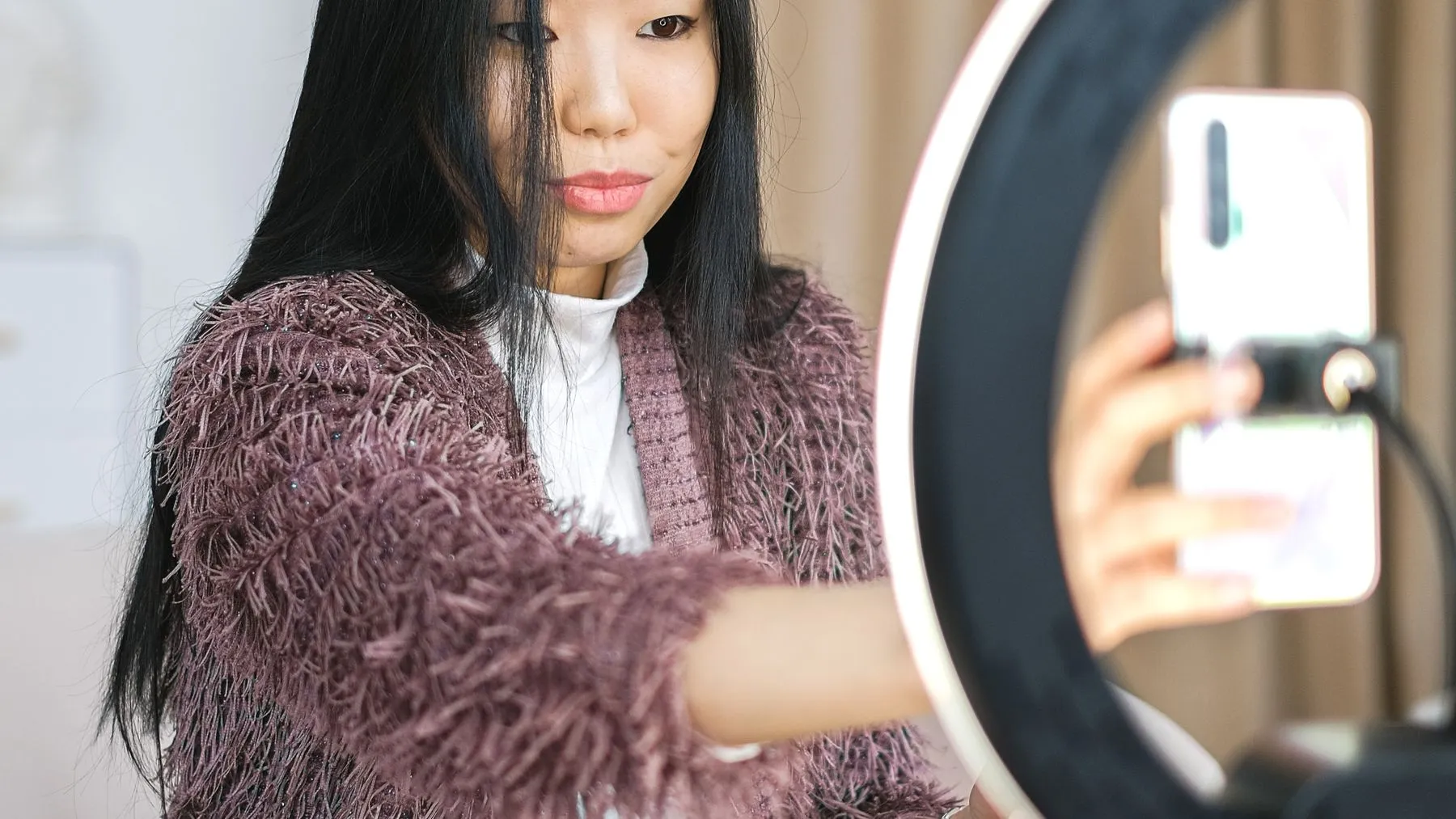
Dating app profile verification usually shows that a member completed the platform’s check, not that the platform guarantees who they are or how they will behave. The most useful way to read a verified badge is: “one important signal passed.” It is not a background check, a character reference, or permission to ignore warning signs.
That distinction matters because the word “verified” can describe very different processes. Some apps compare a selfie with profile photos. Others use video, liveness checks, a phone number, or an identity document. Availability and requirements may also change by country.
Photo verification checks whether the photos resemble you
Photo verification generally compares a live selfie or short video with the photos shown on a profile. The purpose is to make simple photo impersonation more difficult and give other members a visible signal that the account holder resembles the person pictured.
Official platform guidance makes the limitation clear. Hinge describes Selfie Verification as an extra layer of trust and explicitly says it does not guarantee a user’s safety. Tinder similarly says its Photo Verification badge is not a guarantee of authenticity or safety.
That is the right mental model for any app: verification can reduce one category of uncertainty, not every category.
Identity checks and photo checks are different
Identity verification may compare a selfie with a government-issued document, while photo verification generally compares a live image with profile photos. Those checks answer related but different questions. A phone or email check is different again: it can show access to an account or number without confirming the claims in a dating profile.
Do not infer the process from the badge alone. Read the app’s help page and ask:
- Was a live selfie or video used?
- Was a government-issued document involved?
- Is the feature optional or required in this region?
- What information is retained after the check?
- Can verification be repeated when profile photos change?
For example, Bumble says its US photo-verification process compares a prompted selfie with profile photos using automated and human review. That tells you more than the checkmark by itself.
A badge cannot verify someone’s intentions
Verification does not establish that a member is single, emotionally available, honest about work or location, or looking for the same relationship as you. It also cannot predict how someone will respond to a boundary.
A person may be using their real face and still:
- ask for money, gift cards, cryptocurrency, or financial help;
- pressure you to move immediately to another messaging service;
- give inconsistent explanations about where they live or work;
- refuse every reasonable way to meet or speak live;
- become controlling, sexual, or insulting when you slow the pace.
The Federal Trade Commission’s current romance-scam guidance recommends never sending money or gifts to a love interest you have not met in person, checking suspicious stories, using reverse image search, and reporting the account to the platform and the FTC.
Use verification as part of a trust ladder
Trust should grow in steps because each step reveals a different kind of information. A practical sequence looks like this:
- Review the full profile. Look for specific, internally consistent details rather than a polished but empty presentation.
- Prefer completed verification. Treat it as a useful signal about the photos, according to the app’s stated process.
- Keep early chats in the app. Reporting and blocking tools remain available if the conversation becomes uncomfortable.
- Ask ordinary, specific questions. Real lives have detail. Manipulative stories often stay vague or change under gentle follow-up.
- Use a live call when appropriate. A call can reduce uncertainty, though it still does not prove every claim.
- Meet publicly and independently. Arrange your own transport and tell someone you trust where you will be.
No single step proves safety. Together, they prevent one badge from carrying more trust than it should.
Pay attention to how the app handles reports
Verification is most useful when it sits inside a broader safety system. Before committing to an app, check whether you can report and block a member easily, whether the platform explains prohibited behavior, and whether safety guidance is visible before something goes wrong.
On Krush, photo verification is required during onboarding — every member completes it before they start matching, rather than choosing it as an optional badge. That changes what the absence of a badge means: on an app where verification is opt-in, an unverified profile tells you very little, while on one where it is required, everyone you see has been through the same check. It still only shows that a member resembles their photos; it does not prove who they are. Krush pairs it with AI-assisted content moderation, community moderation, and user reporting and blocking. The Krush Safety & Trust page explains those layers and the habits that still remain the member’s responsibility.
Why this matters more when you are dating across borders
When you and a match are in different countries, the ordinary offline checks disappear. There are no mutual friends to ask, no chance of running into them somewhere, and often no realistic way to meet in person for months. Every early signal has to come from the app itself, which is exactly the situation where an unverified photo carries the most risk.
That is also why verification is worth so little on its own here. A live selfie check does nothing about someone misrepresenting their job, their relationship status, or their reason for contacting you — the claims that matter most when the relationship will live on video calls for a while. Cross-border couples are better served by the trust ladder above: specific questions, live conversation early, and no money moving in either direction before you have met.
What to do when a profile is not verified
An unverified profile is not automatically fake. Verification may be optional, unavailable in a region, inaccessible to someone with a particular device, or simply incomplete. Use the missing badge as a reason to gather information more slowly rather than as proof of wrongdoing.
You can ask politely whether the person is comfortable verifying, but do not pressure them to send identity documents directly to you. Personal documents create their own privacy and fraud risks. Use the platform’s official verification flow instead.
If the person becomes hostile about a reasonable boundary, that behavior matters more than the badge.
What to do when a verified profile feels wrong
Trust the behavior in front of you. If a verified member asks for money, pushes an investment, threatens you, or ignores your boundaries, stop engaging and use the report and block tools. Save relevant information if the platform’s reporting flow asks for it, but do not continue the conversation to collect evidence at the expense of your safety.
For a wider checklist covering privacy, suspicious links, first meetings, and financial requests, read our online dating safety guide.
Verification is evidence, not a verdict
A verified badge can make online dating more informed by showing that a platform completed a specific check. Its value depends on knowing what was checked and keeping the result in proportion.
Choose apps that explain verification honestly, connect it to moderation and reporting, and avoid promising a perfectly risk-free community. Then keep building trust the same way you would offline: through time, consistency, boundaries, and actions that match the story.
Frequently asked questions
What does a verified profile mean on a dating app?
A verified profile usually means the member completed a check defined by that app, often comparing a live selfie or video with profile photos. The exact process varies by platform and region. A badge can increase confidence that the photos match the account holder, but it does not prove every biographical detail or guarantee safe behavior.
Can a verified dating profile still be a scammer?
Yes. Verification can make some forms of impersonation harder, but a person using their real photos can still lie, manipulate, request money, or behave unsafely. Treat verification as one useful signal rather than a complete background check. Pay attention to behavior, keep early conversations in the app, and report requests for money or suspicious investment advice.
Is photo verification the same as identity verification?
No. Photo verification generally checks whether a live selfie resembles the photos on a profile. Identity verification may involve a government-issued document or additional personal information. Apps use these labels differently, so read the platform’s explanation before assuming what was checked, what data was retained, or whether the feature is available in your region.
Should I only match with verified profiles?
You can make verification one of your preferences, especially if it helps you feel more comfortable, but the badge should not replace a broader judgment. Review whether the profile is specific and consistent, notice how the person responds to boundaries, and use a video call or public first meeting before placing greater trust in the connection.
How does Krush use profile verification?
Krush includes photo verification as one layer of community trust. It works alongside AI-assisted content moderation, community moderation, and tools for reporting and blocking accounts. These features help reduce risk and make concerns easier to act on, but Krush does not promise that verification guarantees identity or that the community contains no bad actors.