Asian Dating
Korean Dating Culture: Customs, Couple Culture, and Modern Change
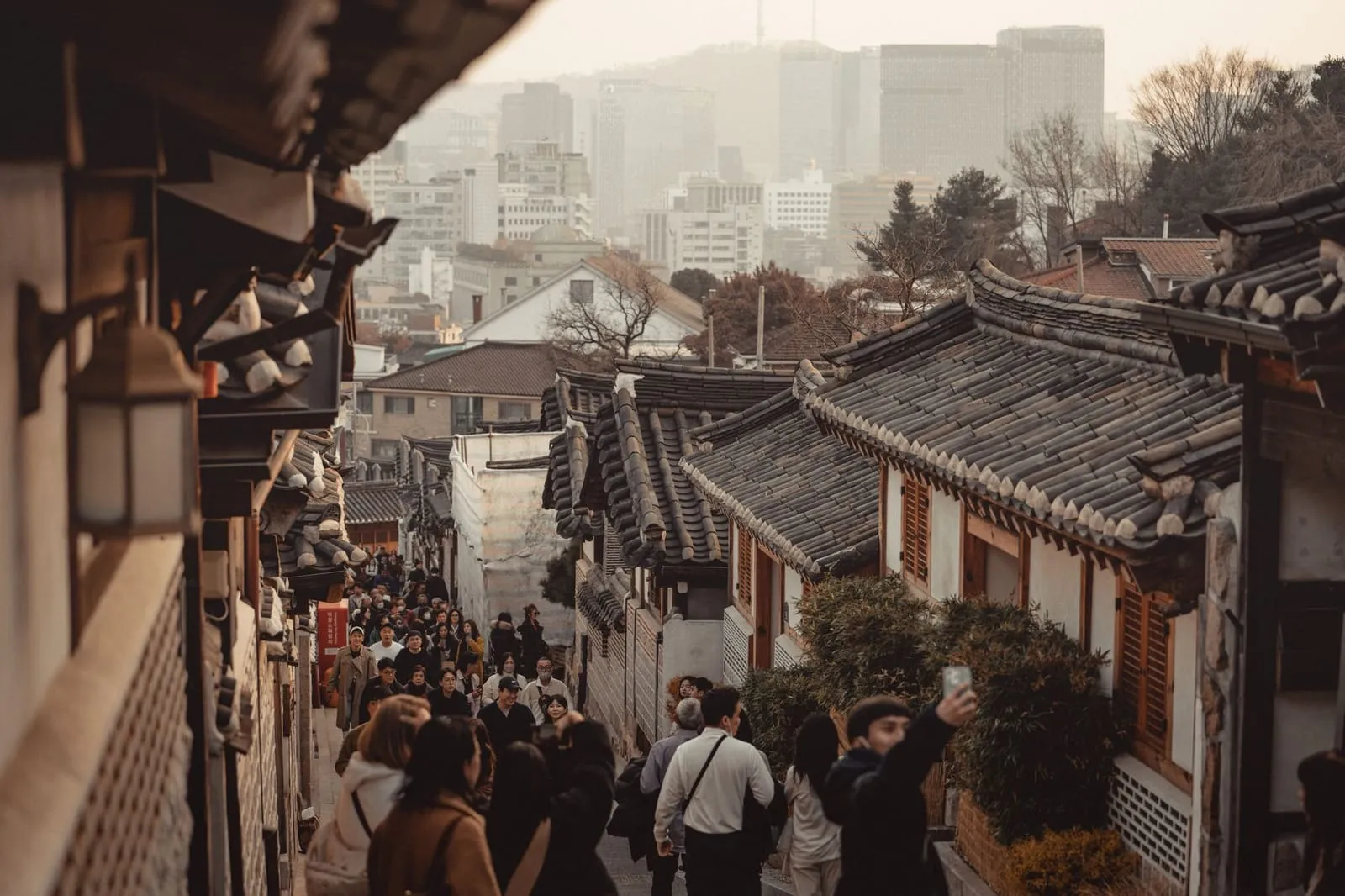
What Is Korean Dating Culture Like Today?
Korean dating culture is intentional and highly visible. People usually meet through introductions rather than strangers approaching each other, relationships begin with a clear confession, and couples mark their time together with anniversaries, matching items, and near-constant messaging. Underneath that sits a strong sense of family, age hierarchy, and an expectation that serious dating leads toward marriage, even as more young Koreans question that path.
How Koreans Meet: Sogaeting, Meetings, and Apps
The classic first step is the sogaeting (소개팅), a one-on-one blind date arranged by a mutual friend. The friend vouches for both people, which makes meeting a stranger feel safer and more serious. University students also go on meetings (미팅), group blind dates where a few friends from each side meet together.
For people focused on marriage, a matseon (맞선) is a more formal introduction, sometimes arranged through parents or a professional matchmaking agency. Korea still has a sizable commercial matchmaking industry, a modern echo of the traditions covered in Asian matchmaking, then and now.
Dating apps are now common too, especially in Seoul, but many people still prefer to meet through someone they know. For a closer look at the city itself, see our guide to dating in Seoul in 2026.
”Some,” Confessions, and Making It Official
Before two people date, there is often a stage called some (썸, sseom), from the English “something.” You text daily, go on dates, and clearly like each other, but you are not a couple yet.
That ambiguity ends with a gobaek (고백), a direct confession: “Do you want to date me?” Korean relationships tend to have a definite start date, and couples count from that day. This is very different from the slow, undefined “talking” phase common in the West, and it is why Korean partners rarely wonder whether they are officially together.
Couple Culture: Anniversaries, Couple Items, and Constant Contact
Once you are together, Korean couple culture is easy to spot.
- Day counting. The 100-day anniversary (baegil) is the first big milestone, followed by 200 days, 300 days, and yearly anniversaries.
- Couple items. Matching rings, phone cases, sneakers, or full “couple look” outfits signal that you are taken.
- The 14th of every month. Valentine’s Day (women traditionally give chocolate), White Day on March 14 (men return the gesture), and Black Day on April 14, when singles eat jajangmyeon together. Pepero Day on November 11 is another favorite.
- Messaging. Couples often stay in touch throughout the day on KakaoTalk, and long silences can read as a lack of interest.
Skinship, Affection, and Communication
“Skinship” is the Korean-English word for physical affection. Holding hands, linking arms, and playful touches are normal in public for young couples, while kissing in public is less common and more reserved around elders.
Communication mixes directness about the relationship with care around conflict. Nunchi, the skill of reading the mood and what someone is not saying, matters a lot. Partners may also use aegyo, a deliberately cute way of speaking, and age shapes how people address each other: a younger woman may call an older boyfriend oppa.
Who Pays, Gender Roles, and Military Service
Men traditionally paid, and many still offer on early dates. Younger couples increasingly take turns, with one paying for dinner and the other covering coffee, or split the bill (called Dutch pay).
Mandatory military service also shapes dating. Most Korean men serve about 18 to 21 months, usually in their early twenties, so many relationships go long-distance during that time. A girlfriend who waits is nicknamed a gomusin, literally “rubber shoes,” from an old idiom about leaving a soldier boyfriend.
Family, Marriage, and the Pressure to Settle Down
Introducing a partner to your parents is a big step that usually signals marriage is on the table. Parents may care about education, career, and family background, and many people feel pressure to marry around their late twenties or early thirties.
At the same time, marriage rates in Korea have fallen sharply. Housing costs and long working hours have led some young adults, sometimes called the sampo generation, to put off dating, marriage, or children. Korean dating today often means negotiating between those two realities. Our guide to talking to Asian parents about dating covers how to handle those conversations.
Korean Dating Culture in the Diaspora
For Korean Americans, Korean Canadians, and Koreans in Australia or Europe, many of these customs travel: 100-day anniversaries, introductions through church or family friends, and parents hoping for a Korean partner. Second-generation Koreans often keep the rituals they love while dating in a more Western rhythm. If you are living between those two worlds, read about bicultural identity and dating.
Meeting Korean Singles
If you want to meet people who understand sogaeting, couple culture, and family expectations without explanation, an app built for shared cultural backgrounds may make dating feel more natural. Krush is a dating app for Asians around the world, with profiles that show culture, languages, and dating goals, and matching both locally and across borders. Start with Korean dating on Krush, or compare dating customs with our guides to Japanese dating culture and Chinese dating culture.
Frequently asked questions
What is a sogaeting in Korean dating?
A sogaeting is a one-on-one blind date set up by a mutual friend, and it is one of the most common ways Koreans meet a partner. The friend shares contact details, the two people message briefly, then meet for a meal or coffee. A group version, called a meeting, is popular with university students, while a matseon is a more formal, marriage-minded introduction.
What does "some" mean in Korean dating?
In Korean dating, "some" (sseom) is the uncertain stage when two people are clearly interested in each other but not yet a couple. They text often and go on dates without being exclusive. It usually ends with a gobaek, a direct confession asking the other person to date, and the relationship officially begins on the day that confession is accepted.
Why do Korean couples celebrate 100 days?
Korean couples celebrate 100 days because they count their relationship from the day it officially began, and 100 days is the first big milestone. Couples often exchange gifts, go somewhere special, or buy matching couple rings. The count continues, with 200 days, 300 days, and yearly anniversaries also marked, which is part of why Korean couple culture feels so visible.
Who pays on a date in Korea?
On a date in Korea, the man has traditionally paid, and many still offer on early dates, but younger couples increasingly share costs. A common pattern is taking turns, where one person pays for dinner and the other covers coffee or dessert. Splitting the bill evenly, known as Dutch pay, is also normal, especially among students and couples who date for a while.


4.4 from 1,900+ App Store ratings